
How Chicago built the world’s first skyscraper
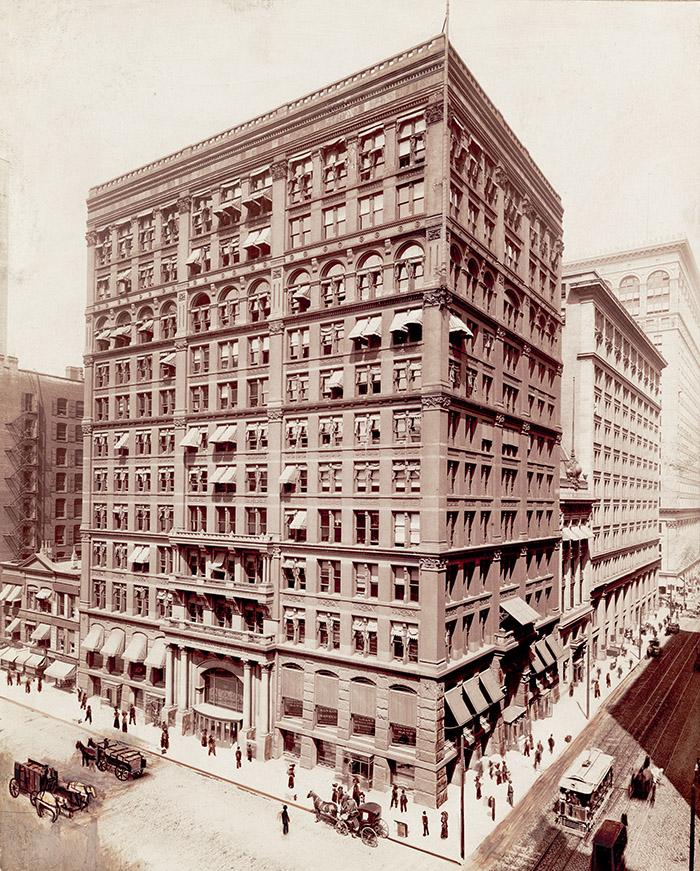
Long before Chicago became known for its towering skyline, one building changed the future of architecture worldwide.
The Home Insurance Building, completed in 1885 at the corner of Adams and LaSalle streets, is widely regarded as the world’s first skyscraper. Designed by architect and engineer William Le Baron Jenney, the structure introduced a revolutionary construction method that allowed buildings to rise higher than ever before.
Unlike traditional buildings of the era, which relied on thick masonry walls to support their weight, the Home Insurance Building used an internal steel-and-metal skeletal frame. The innovation dramatically reduced the structure’s weight while increasing its strength and stability, creating a blueprint that would later become the standard for skyscraper construction worldwide.
Construction began in 1884, and the original building opened with 10 stories and a height of 138 feet. Two additional floors were added in 1891, bringing the total height to approximately 180 feet. At the time, the building’s design represented a major leap forward in engineering and urban development.
The project emerged during a period of rapid rebuilding in Chicago following the Great Chicago Fire of 1871. As the city expanded, architects and engineers searched for safer, stronger, and more efficient construction methods. Jenney’s steel-frame design answered those challenges and helped launch what became known as the Chicago School of architecture.
The building also featured innovations that later became common in modern high-rises, including larger windows made possible by non-load-bearing exterior walls and advanced fire-resistant construction techniques. Its success demonstrated that steel-framed buildings could safely reach unprecedented heights.
Although historians continue to debate which structure should technically be considered the world’s first skyscraper, the Home Insurance Building remains the most frequently cited example because of its pioneering use of structural steel and its lasting influence on commercial architecture.
The building stood in downtown Chicago for nearly half a century before being demolished in 1931 to make way for the much larger Field Building, now known as the LaSalle Bank Building. By that time, the technology pioneered by the Home Insurance Building had already reshaped skylines across the United States and beyond.
Though the structure no longer exists, its legacy remains central to Chicago’s architectural identity. The Home Insurance Building is widely viewed as the project that ushered in the age of the skyscraper and helped establish Chicago as one of the world’s most influential centers of architectural innovation.