
Chicago Public Schools Faces $734M Budget Gap
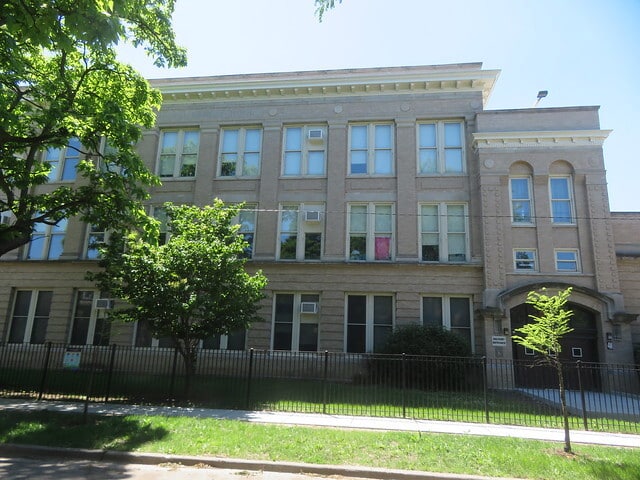
Chicago Public Schools is bracing for a significant financial challenge as it prepares to vote on its 2026 budget, facing a projected $734 million shortfall. Rising labor costs, long-term debt obligations, and persistent issues with underutilized school buildings are shaping the district’s budget pressures.
A recently approved contract with the Chicago Teachers Union is a key driver of the fiscal strain. The agreement will add $1.5 billion in costs over the next four years, with teacher salaries alone accounting for $1.1 billion of that amount. To offset part of the burden, CPS has proposed $165 million in savings through layoffs, which would affect central office employees, janitors, lunchroom workers, and crossing guards.
Property taxes remain the largest revenue source for the district, bringing in $4 billion annually and accounting for the biggest share of tax bills for city residents. Still, officials acknowledge that spending challenges extend beyond revenue. According to district data, 58 percent of schools—about 275 buildings—are operating below capacity, with the ten least-utilized schools averaging just 12 percent capacity.
Debt is another major obstacle. CPS is projected to spend $15.257 billion on long-term debt service through 2049 when future interest payments are included. The district also carries $13.9 billion in unfunded pension liabilities owed to teachers. To manage its obligations, CPS plans to refinance $1.8 billion in current debt and issue $600 million in new capital debt in 2026. Additionally, it expects to tap $65 million from its debt service stabilization fund.
Critics argue that the district is relying on short-term fixes rather than structural reforms. “It’s time for CPS leaders to get serious and innovative when it comes to stabilizing finances. We should be protecting families from mounting debt, not utilizing budgetary gimmicks such as one-time funding sources, ‘accelerating’ savings from future years, or refusing to make pension payments,” said Bryce Hill, director of fiscal and economic analysis at the Illinois Policy Institute.