
Chicago Council Targets ICE Ties Amid Fiscal Strain
Chicago continues to face mounting financial and public safety challenges, including persistent budget deficits, growing pension obligations, population decline, and weakening property values. Against that backdrop, recent actions by the Chicago City Council have redirected attention toward federal immigration enforcement.
A newly advanced ordinance would grant the Civilian Office of Police Accountability (COPA) authority to investigate Chicago police officers accused of cooperating with Immigration and Customs Enforcement. Under the proposal, officers could face disciplinary action for assisting federal agents in ways city officials deem inappropriate, even when such actions are lawful or framed as public safety measures.
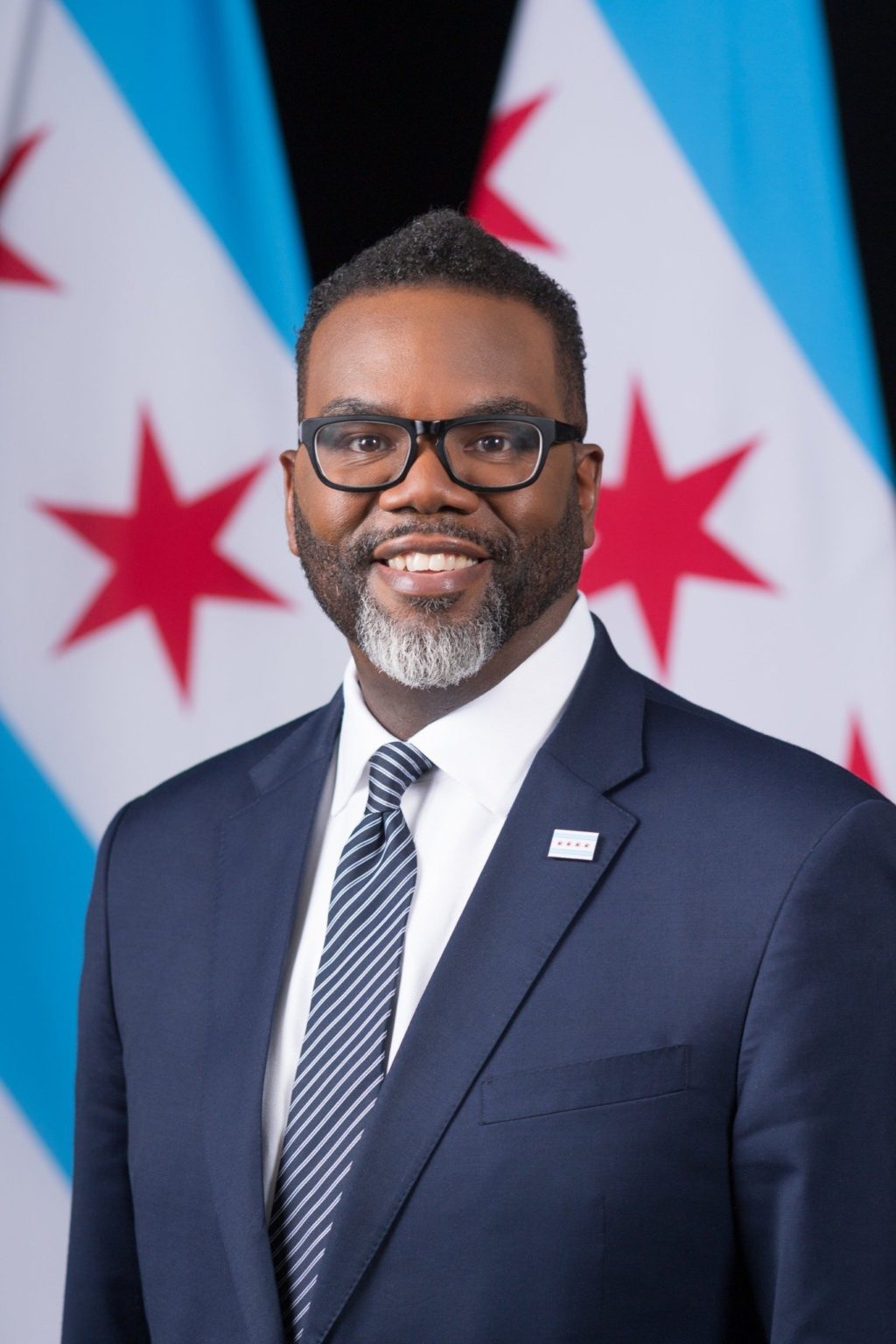
Mayor Brandon Johnson has backed the initiative and intensified his criticism of federal involvement. He has described federal agents as “masked, terrorizing police forces” and raised doubts about whether the federal government could be trusted to provide security for major events, including a future Democratic National Convention. “He has embraced the rhetoric, endorsed the investigations, and echoed language describing federal agents as ‘masked, terrorizing police forces.’ He has even suggested that Chicago cannot trust the federal government to provide security for a future Democratic National Convention.”
Chicago aldermen have also consulted with officials in Minneapolis regarding strategies to resist federal immigration enforcement. Minneapolis has faced its own period of unrest in recent years, marked by strained relations between law enforcement leadership and city government.
Chicago Police Department Superintendent Larry Snelling has sought to distinguish between city politics and day-to-day policing. He has emphasized that CPD’s engagement with federal agencies centers on reducing conflict and maintaining public safety rather than engaging in political disputes. “Superintendent Larry Snelling has made clear CPD’s interactions with federal agents are focused on de-escalation and public safety. He has not encouraged ideological warfare between agencies. He has not demonized law enforcement colleagues. He has not turned policing into a political purity test.”
The policy debate is unfolding as concerns about crime persist across the city, including assaults on public transit riders and repeat offenders cycling back onto the streets.
Critics argue the city’s priorities are increasingly misaligned with its challenges. “Those of us who still believe in the city — who refuse to accept decline as destiny — must say so plainly: this path leads nowhere good. A city already in financial peril cannot afford ideological tantrums masquerading as policy.”