
Deadly Holiday Flood Devastates Central Texas
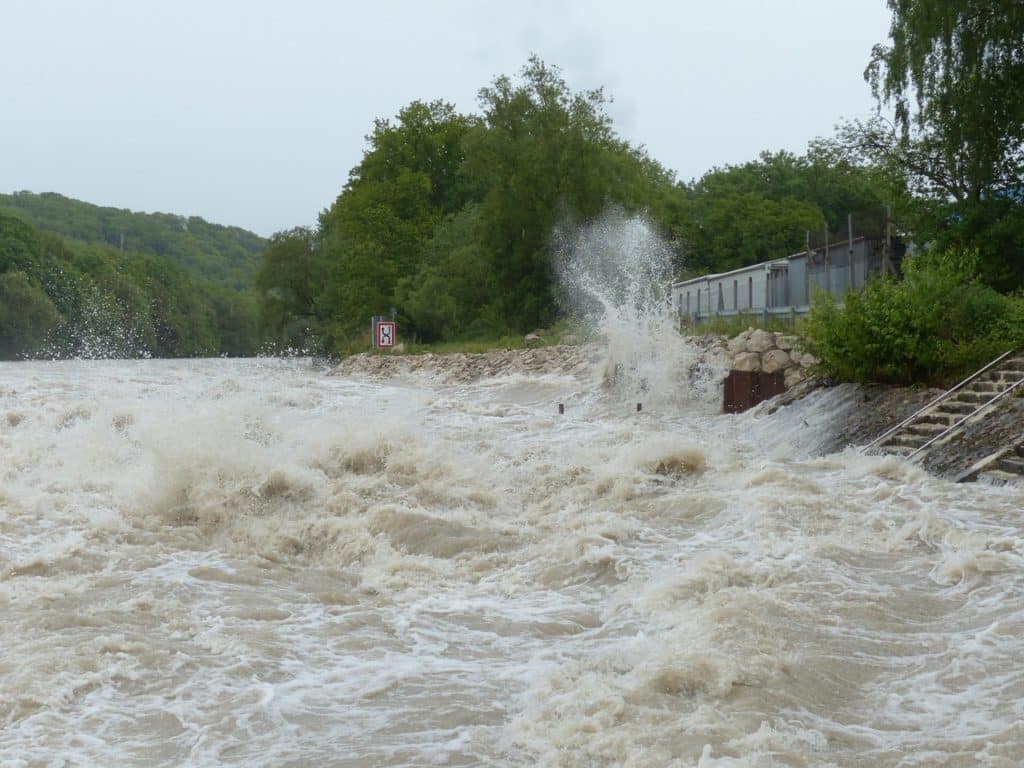
Devastating floods swept through central Texas in early July, killing at least 78 people and
leaving dozens more missing in what experts are calling a “perfect storm” of meteorological
conditions.
Greg Waller, a hydrologist at the National Oceanic and Atmospheric Administration (NOAA),
described the event as a case study for future forecasters. “In the river forecasting world, this was
one of those that we will be training our forecasters on, because we know it will happen again,”
he said.
The storm formed when the remnants of Tropical Storm Barry collided with a trough over the
Balcones Escarpment—an area where rocky terrain causes air to rise rapidly, fueling intense
storms. “The terrain up there, there is not a lot of soil,” added National Weather Service
meteorologist Rob Fogarty. “Soil saturates, and it’s all rock underneath, and it’s all runoff.”
Rain began around midnight on July 4, dropping over 10 inches in less than four hours in some
areas. Flash flood warnings were issued starting at 11:40 p.m. on July 3 in Bandera County,
followed by alerts in Kerr, Hunt, and Comfort as water levels rose rapidly. The Guadalupe River
at Kerrville was forecast to reach 25 feet, well above its 9-foot flood stage.
A gauge near Hunt recorded 29.45 feet before it went offline. “There’s probably either water in
the gauge house or something happened to the gauge structure itself,” Waller said. The U.S.
Geological Survey is working to confirm the high-water mark.
Comparisons were drawn to the 2015 Blanco River floods and the 1987 Guadalupe event, though
Waller noted this flood was especially tragic due to its timing: “Overnight, on a holiday
weekend, with a population that wasn’t familiar.”
The storm’s reach extended across more than 100 miles, triggering flooding on the Medina,
Llano, San Saba, and Colorado Rivers. “You could be off 20 miles on a rainfall forecast—and
that’s two different river systems,” Waller explained.
Floodwaters ultimately flowed into Canyon Lake, which rose nearly 11 feet and gained over
55,000 acre-feet of water. The lake had been nearing record-low levels before the storm.
As of July 6, flood watches remained in effect. “We’re not out of the woods,” Waller said. “It’s
also the lives of the first responders, along with recovery.” Fogarty added, “It was worse due to
the extensive loss of life.”