
O’Hare expansion begins with Concourse D milestone
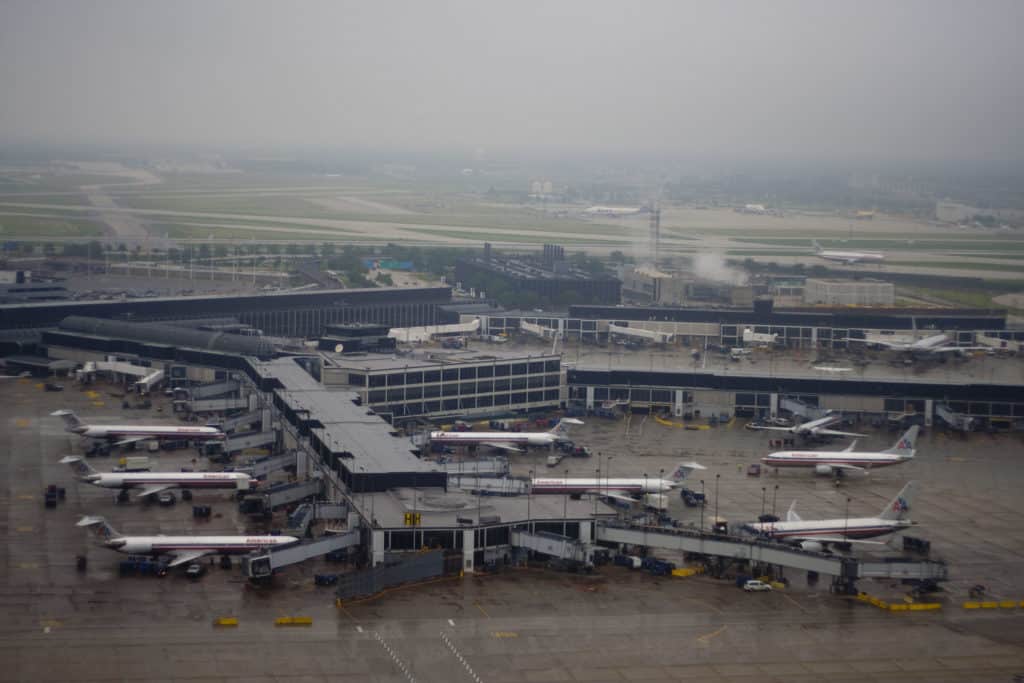
Chicago has taken a major step toward transforming O’Hare International Airport, marking the start of construction on Concourse D — the first major component of a broader $8.2 billion expansion plan.
The milestone, symbolized by a ceremonial beam signing, signals the transition from planning to active construction for what city officials describe as a generational investment in the airport’s future. Concourse D is part of the larger O’Hare 21 modernization program, designed to expand capacity, improve passenger experience, and strengthen Chicago’s position as a global aviation hub.
The new concourse, expected to open in 2028, will add approximately 19 gates and introduce upgraded passenger amenities, including lounges, retail space, and expanded seating areas.
It will also be designed with flexibility to accommodate both domestic and international flights, improving connections and easing congestion across the airport.
Officials have framed Concourse D as the first visible phase of a much larger transformation. The overall expansion includes plans for a new global terminal, an additional satellite concourse, and a tunnel system connecting the facilities to streamline passenger and baggage movement.
City leaders emphasized that the project is not only about infrastructure, but also about long-term economic impact. O’Hare remains one of Chicago’s most important economic engines, supporting jobs, tourism, and global business connections.
The beam-signing ceremony itself reflects a traditional construction milestone, marking the beginning of vertical building and signaling progress on a project that has been in development for years.
Once completed, Concourse D will represent the first new concourse at O’Hare in decades and is expected to significantly increase the airport’s capacity while modernizing its facilities for future growth.
As construction moves forward, the expansion is positioned to reshape how one of the world’s busiest airports operates — with city officials betting that the investment will keep Chicago competitive in global aviation for decades to come.