
U.S. Flight Cuts Deepen Amid Shutdown Staffing Crisis
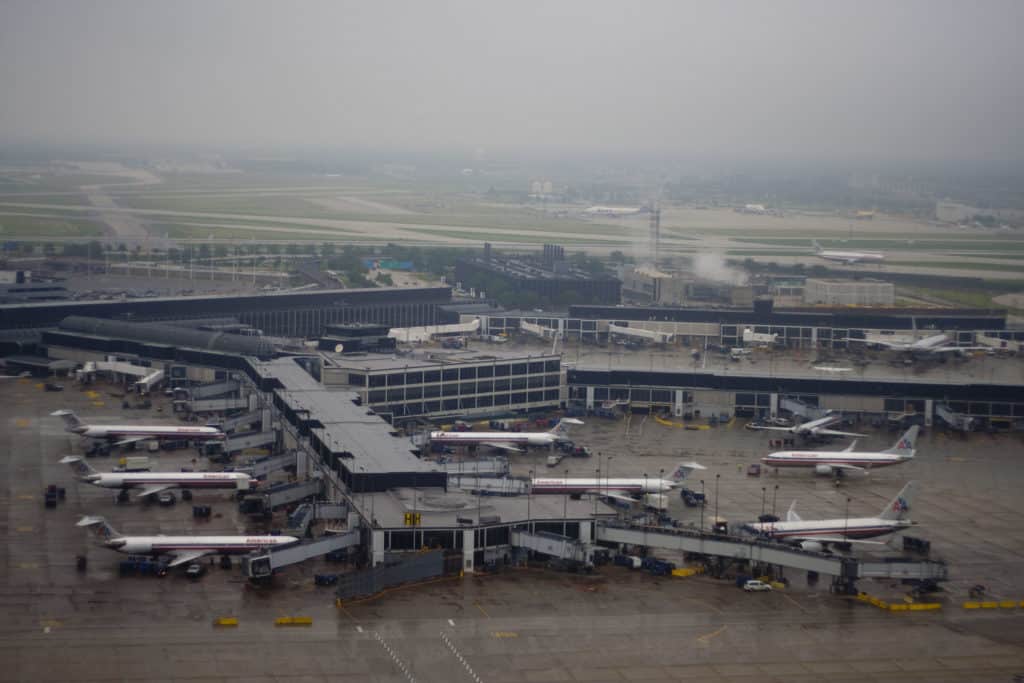
U.S. airlines were forced to rapidly overhaul schedules and respond to mounting passenger frustration after the Trump administration ordered nationwide flight reductions at major airports. The decision comes amid a worsening shortage of air traffic controllers caused by the ongoing government shutdown — now the longest in U.S. history.
The flight cuts, which began on November 7, disrupted hundreds of thousands of travelers with little warning. According to aviation analytics firm Cirium, as many as 1,800 flights have been canceled daily, removing nearly 268,000 seats from service across the country. International routes remain unaffected.
Transportation Secretary Sean Duffy directed a 10 percent reduction in flights at 40 major airports, including those in New York, Los Angeles, and Chicago. The Federal Aviation Administration (FAA) confirmed that domestic flights would initially be reduced by four percent from November 7 to 10, ramping up to 10 percent by November 14.
The FAA emphasized that it would not approve airline plans that unfairly impact specific regions and warned that further cuts to general aviation could follow if staffing conditions worsen.
Airlines scrambled to manage the fallout. American Airlines announced it would cancel around 220 daily flights through November 10—mostly regional routes—while maintaining roughly 6,000 daily operations. Delta Air Lines removed 170 U.S. flights on November 7, and United Airlines said it would cut four percent of its schedule, or fewer than 200 flights per day. Southwest canceled around 120 flights, while Alaska Airlines and Frontier also made limited reductions.
In an internal memo, American Airlines Chief Operating Officer David Seymour reassured employees, writing: “You deserve the same level of certainty as our customers,” noting that the company would prioritize stability for pilots and flight attendants amid the disruption.
Passengers have been given more flexibility to rebook or request refunds, though the Transportation Department clarified that airlines are not obligated to cover hotel or meal expenses, since cancellations stem from government directives.
Carriers are using larger aircraft to consolidate travelers, but confusion persists. Travel app Hopper reported a 60 percent overnight increase in purchases of its “disruption assistance” feature following the announcement.
Safety remains the FAA’s stated priority. “It’s safe to fly today, and it will continue to be safe to fly next week,” said Secretary Duffy. FAA Administrator Bryan Bedford echoed that message, adding the agency “will take further action if needed to protect safety.”
The impact of the shutdown is being felt across the aviation workforce. Nearly 13,000 air traffic controllers and 50,000 security screeners have been working without pay, with absenteeism surpassing 30 percent at several airports. The FAA had already been short 3,500 controllers before the shutdown, forcing extended overtime shifts.
The cuts arrive just as airlines were beginning to recover from a sluggish first half of the year. Analysts warn that the uncertainty could dent traveler confidence, even as reduced capacity may drive airfares higher.
“Stick with your current travel plans,” said Airlines for America CEO Chris Sununu, acknowledging the frustration travelers are experiencing.
For some passengers, the disruption has already been personal. Grace Logeman, 40, drove two hours to Newark for a Frontier flight to Atlanta, only to face a three-hour delay that caused her to miss her connection to the Dominican Republic. “I’m devastated,” she said. “As far as the ongoing shutdown… It’s hurting me. I’m the one sitting here now.”