
Chicago launches “Repair” forum amid policy debate
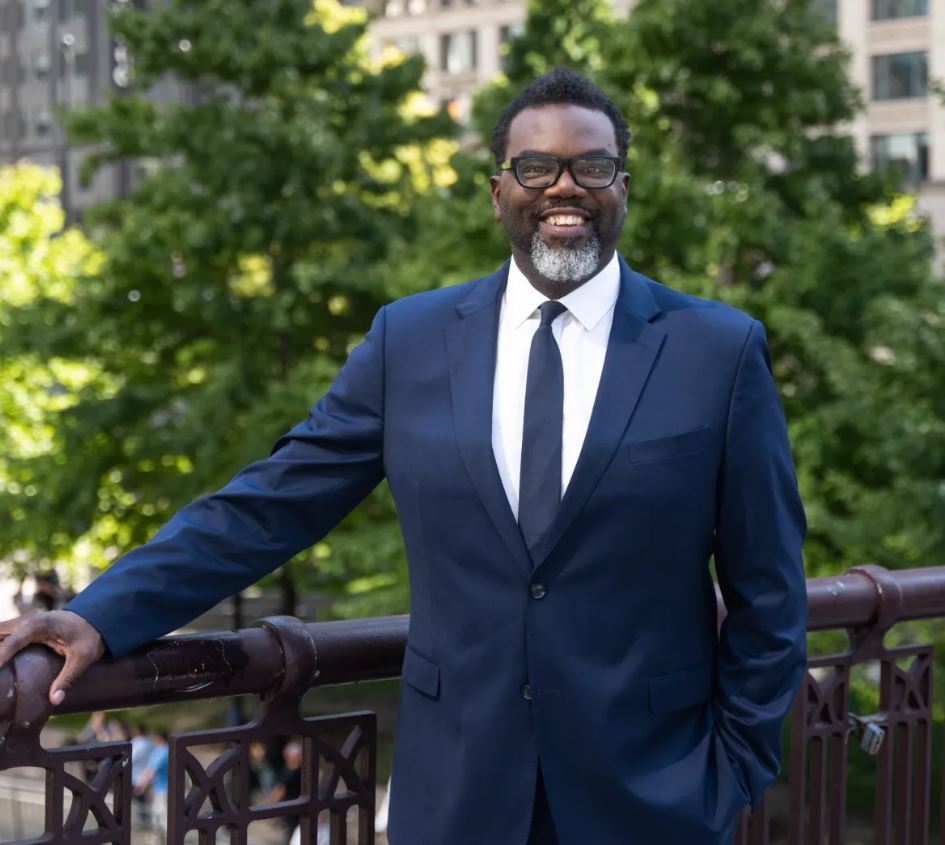
Chicago Mayor Brandon Johnson on April 20 announced the launch of the “Repair Chicago” initiative, a public forum designed to gather residents’ personal accounts of harm, with a particular focus on reparations.
City officials described the initiative as a space for Chicagoans to share lived experiences rather than a platform for immediate policy proposals. The effort comes as discussions around reparations continue to gain traction in the city’s broader public discourse.
In Chicago, the conversation has expanded beyond historical injustices to include more recent challenges affecting families, particularly within the public education system.
Some critics have argued that leadership decisions within the Chicago Teachers Union over the past 15 years have contributed to ongoing issues in the city’s schools. They point to repeated labor actions and political advocacy as factors that disrupted classroom continuity and, in their view, contributed to long-term academic setbacks.
The COVID-19 pandemic has also been a focal point in these discussions. Schools remained closed for 78 consecutive weeks, a period that some observers say resulted in learning loss and social challenges for students, particularly those who faced difficulties adjusting after extended disruptions.
Concerns about student safety have also been raised, with critics referencing allegations of misconduct involving school staff. Investigations into such cases have prompted questions about oversight and accountability, with some arguing that institutional responses have not always prioritized student protection.
In addition, debate continues around access to school choice options. Critics have said opposition from union leadership has limited opportunities, such as private scholarships and charter schools, particularly for low-income families seeking alternatives. They also point to funding disparities affecting schools that serve predominantly minority communities.
As the “Repair Chicago” initiative moves forward, advocates are calling for the conversation to include not only historical harms but also current policies shaping outcomes for children and families across the city.
The forum is expected to serve as an entry point for broader discussions about equity, accountability, and the future direction of public policy in Chicago.