
Chicago taxi fares set to rise after decade
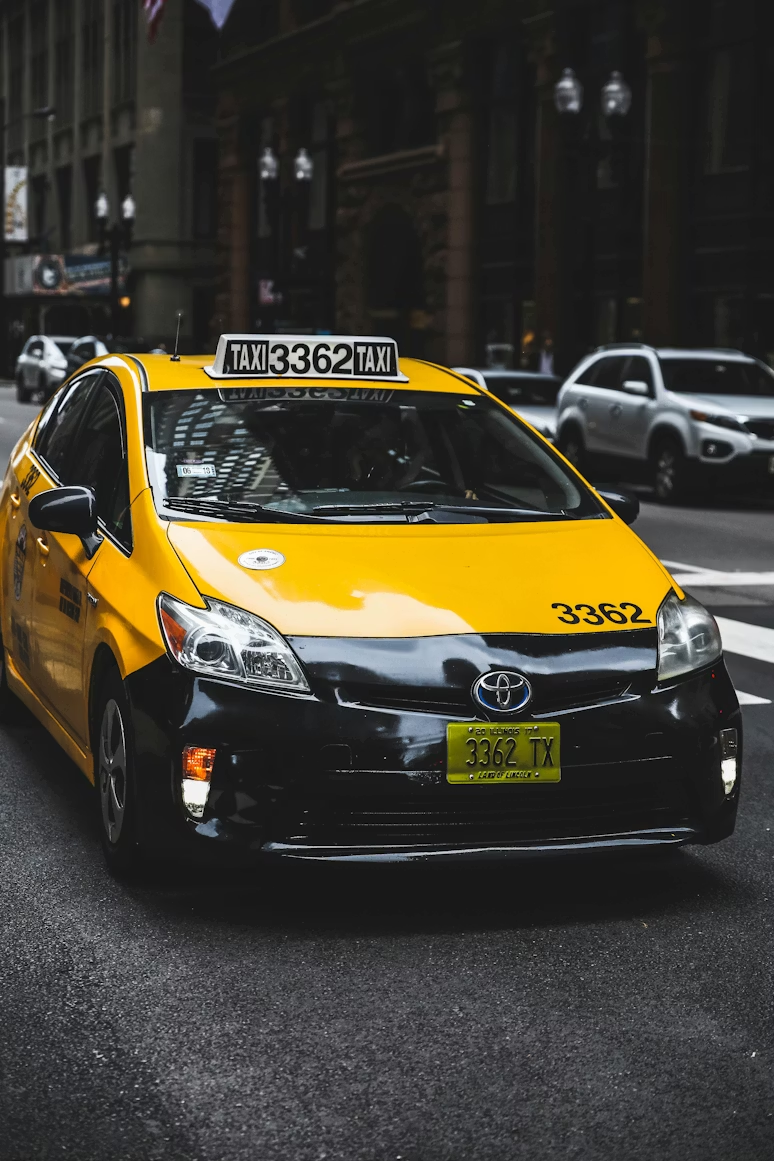
Chicago is poised to raise taxi fares for the first time in a decade, as city officials move to address mounting financial pressure on drivers and a shifting transportation landscape.
On April 13, the City Council’s Committee on License and Consumer Protection advanced a proposal that would increase cab fares by roughly 20% across multiple pricing categories. The measure now heads to the full City Council for a final vote, with officials indicating new rates could take effect by the end of April if approved.
The proposal reflects years of economic strain within the taxi industry. Drivers have faced rising fuel costs, higher maintenance expenses, and intensifying competition from ride-hailing platforms — all while operating under fare structures last updated in 2016.
The plan would revamp nearly every aspect of taxi pricing, including per-mile rates, time-based charges, and flat fares for airport trips. For the first time, Chicago would also introduce time-of-day surcharges — a model long used by app-based services but not previously part of the city’s regulated taxi system.
Under the proposal, a $2.50 surcharge would apply during afternoon rush hours from 3:30 p.m. to 7:00 p.m., while a $1 overnight fee would be added to trips between 8:00 p.m. and 6:00 a.m. City officials say the changes are intended to encourage drivers to remain on the road during peak demand and late-night hours.
Airport travelers would also see higher flat rates. Fares from O’Hare International Airport to the Loop or McCormick Place would increase from $24 to $30 per person, while trips from Midway International Airport would rise from $18 to $22. Rides between the two airports would increase from $37 to $45. All flat fares apply per passenger.
The push for higher rates is rooted in the rising cost of operating a taxi. Gas prices have climbed above $4 per gallon in recent months, driven in part by global oil market disruptions linked to the U.S.-Iran conflict and shipping constraints through the Strait of Hormuz. At the same time, drivers have absorbed increases in insurance, vehicle upkeep, and overall living costs.
Unlike ride-hailing companies, which can adjust pricing dynamically, Chicago’s taxi drivers are bound by city-regulated rates, limiting their ability to respond to changing market conditions.
Business Affairs and Consumer Protection Commissioner Ivan Capifali indicated that without adjustments, the city risks losing more drivers as workers leave the regulated taxi system for other opportunities.
The proposal also reflects ongoing tensions between traditional taxi operators and app-based competitors like Uber and Lyft. While the increase does not resolve that imbalance, officials describe it as a step toward maintaining the viability of the city’s cab industry.
Advocates note that taxis continue to serve residents who do not rely on smartphones or app-based services, making them a critical part of the city’s transportation network.
The committee vote was not unanimous. Alderman Brendan Reilly cast the lone dissent, citing concerns about enforcement and driver behavior. He pointed to instances where drivers have bypassed meters and charged informal flat fees — a practice that is both illegal and inconsistent for riders.
To address those concerns, the proposal includes stricter penalties. Drivers who fail to activate their meters at the start of a trip would face a $1,000 fine, aimed at ensuring transparency and compliance under the new pricing system.
If approved by the full City Council, the updated fare structure could be implemented by the end of April.
For passengers, the impact will vary. Commuters traveling during peak hours will see the added surcharge, while airport riders will face clear increases in flat fares. Short trips outside peak times will be less affected, though higher per-mile rates will still apply.
The broader question is whether the increase will be sufficient to stabilize an industry that has faced years of pressure — or if bigger structural changes will ultimately be needed to sustain Chicago’s taxi system over the long term.