Critics Credit Prosecutor, Not Johnson, for Chicago Crime Drop
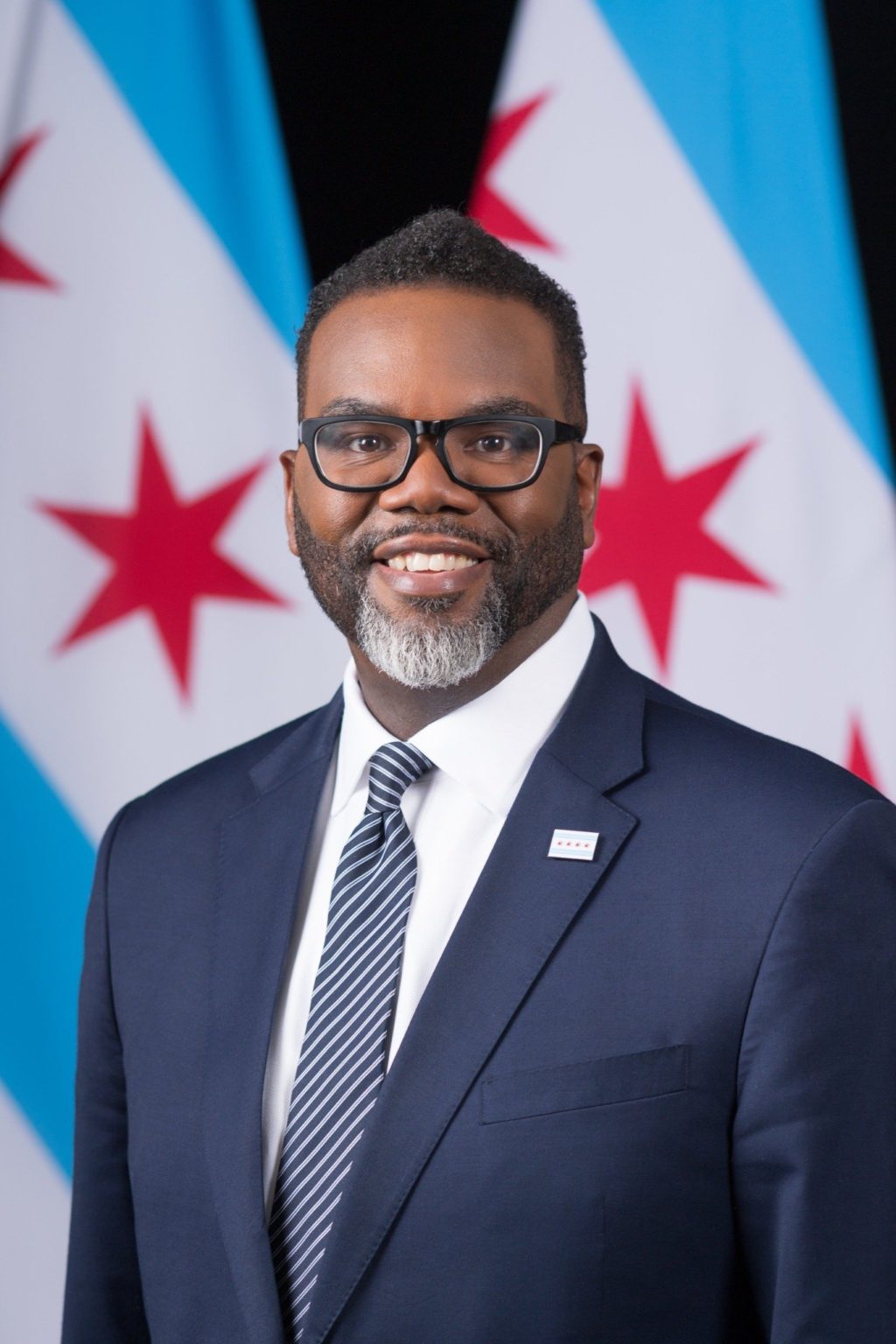
Mayor Brandon Johnson continues to face scrutiny over his approach to public safety, as many question whether Chicago’s recent decline in violent crime stems from his administration’s policies. While the mayor highlights “progressive” reforms as essential to improving fiscal health and community safety, critics argue that the improvements owe more to other factors, including changes in law enforcement leadership and prosecution.
A key appointment cited as effective is that of Police Superintendent Larry Snelling, whom observers describe as highly competent. Beyond that, Johnson’s critics argue that his administration has made few substantial policy changes regarding violent crime. Nationwide, violent crime rates have dropped since the lifting of pandemic restrictions—a trend linked to school reopenings and stronger policing in high-crime areas. In Chicago, however, the city’s reduction in murders and shootings through 2025 has been roughly half the national average for large U.S. cities.
During the pandemic, Chicago endured one of the sharpest surges in violence among major metropolitan areas. Several issues contributed to that spike: police staffing had declined by nearly 1,700 officers since 2019, 911 response times had worsened, and arrest rates for major crimes had dropped to about six percent, a historic low. Compounding the problem, Cook County’s pretrial release system allowed more than 90 percent of violent offenders to remain free daily. Reports from CWB Chicago indicate that one in five individuals arrested for felonies was already out on pretrial release for another offense. Between 2020 and 2024, at least 408 people charged with murder or attempted murder were awaiting trial while out on bond for previous felonies.
Prolonged school closures during the pandemic also contributed to a rise in youth violence. Pressured by the Chicago Teachers Union (CTU), city officials kept schools closed for 78 consecutive weeks, one of the longest stretches in the nation. The closures coincided with a 50 percent increase in homicides and shootings among residents aged 17 and under.
Mayor Johnson maintains that the city’s recent improvements stem from his “investments in people.” According to a press release, “Though evidence that crime’s decline is tethered to COVID fading, Mayor Johnson continues to insist the sharp decline in shootings and murders seen in 2025 reflects the success of his ‘investments in people.’” The mayor points to reopening three mental health clinics and expanding affordable housing as examples of his administration’s progress. Critics counter that such measures have had limited, if any, measurable effect on violent crime trends.
Instead, much of the credit, they argue, belongs to Cook County State’s Attorney Judge Eileen O’Neill Burke, whose tougher prosecution policies have reversed the leniency of her predecessor, Kim Foxx. The report states: “So what explains Chicago’s long-awaited turnaround? The difference-maker is new Cook County State’s Attorney Judge Eileen O’Neill Burke.” In her first 11 months in office, Burke has emphasized detention for serious offenders, sharply increasing the number of people held for gun crimes and domestic violence.
Under Burke’s leadership, detainments for gun-related offenses rose by 47 percent, and domestic battery detentions increased by 81 percent. Her policies have focused on ensuring those accused of violent crimes are held pending trial—a contrast to earlier years when many were released. Critics note that Mayor Johnson opposed Burke during her election campaign, backing Clayton Harris III, who promised to continue Foxx’s reform-oriented approach.
“Chicago’s 2025 improvements in murder and shooting rates are therefore clearly linked to Burke’s leadership, not Johnson’s policies,” the report concludes. It calls on Johnson and other local officials, including Cook County Board President Toni Preckwinkle, to publicly acknowledge Burke’s role: “Every mayor seeks acclaim for reductions in crime. Mayor Johnson should publicly recognize Burke’s impact on improving conditions on the street.”
The statement finishes on a broader note, suggesting that consistent prosecution is key to maintaining public confidence: “Crime falls when justice is predictable. Burke’s success comes from her focus on protecting victims and holding offenders accountable.”
The debate underscores an ongoing divide in Chicago’s leadership over how to sustain public safety—through social investments or through stronger enforcement.