Jury Awards $28M to Family of UN Victim in Boeing Crash
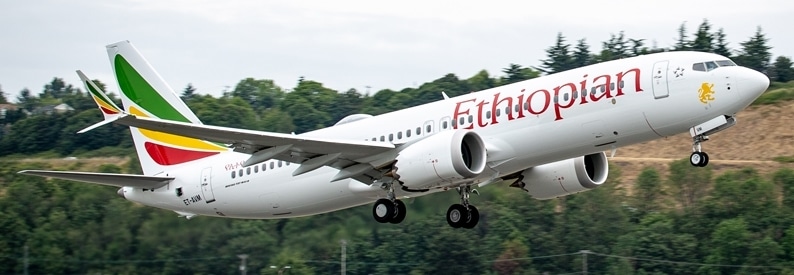
A Chicago jury has awarded $28 million to the family of Shikha Garg, a United Nations consultant killed in the 2019 Ethiopian Airlines Boeing 737 Max crash—marking the first civil trial verdict connected to the disaster.
The decision came on November 12 after just two hours of deliberation, concluding a weeklong trial in federal court. The case focused solely on compensation, as Boeing had already accepted responsibility for the crash.
“This verdict provides public accountability for Boeing’s wrongful conduct,” said the family’s attorneys, Shanin Specter and Elizabeth Crawford, in a statement.
Garg’s husband, Soumya Bhattacharya, reached a separate private settlement with Boeing for $3.45 million, bringing the total family compensation to $35.8 million plus accrued interest.
Garg was among 157 people killed when Ethiopian Airlines Flight 302 went down minutes after takeoff from Addis Ababa on March 10, 2019. She was traveling to Nairobi to attend a United Nations environmental assembly.
In court, Specter described Garg as a gifted PhD candidate, newly married, and full of promise. “Her death was senseless and preventable,” he said.
Boeing attorney Dan Webb argued that compensation should be “fair and reasonable,” disputing whether passengers experienced physical pain before impact. “There would not have been time for them to feel any physical pain when they hit the ground,” he said.
The jury, however, awarded $10 million specifically for emotional distress and suffering Garg endured in her final moments. Flight data showed that within minutes of takeoff, pilots were overwhelmed by faulty alarms triggered by the jet’s automated flight-control system, leading to a nosedive at nearly 700 mph.
That system, known as MCAS, was later identified as a critical factor in both the Ethiopia crash and a similar 737 Max disaster in Indonesia five months earlier. In each case, MCAS repeatedly pushed the plane’s nose downward due to erroneous sensor readings.
After the Ethiopian crash, all Boeing 737 Max aircraft were grounded worldwide. The United States lifted the ban in December 2020, while Ethiopian Airlines resumed Max flights in February 2022.
Boeing has settled most wrongful death claims from the two crashes, though terms remain confidential. Fewer than a dozen cases are still pending.
The verdict follows broader legal fallout for the company. Earlier this month, a federal judge in Texas approved the dismissal of a criminal case against Boeing after a U.S. Justice Department agreement requiring the company to pay or invest $1.1 billion in fines, compensation, and safety measures.
Prosecutors had accused Boeing of conspiracy to commit fraud, alleging it misled regulators about the MCAS system. While Boeing has not admitted to criminal wrongdoing, it continues to face reputational and financial repercussions.
In a statement, Boeing apologized to victims’ families and said it respected their right to seek justice in court.