Trump says China to order 200 Boeing jets
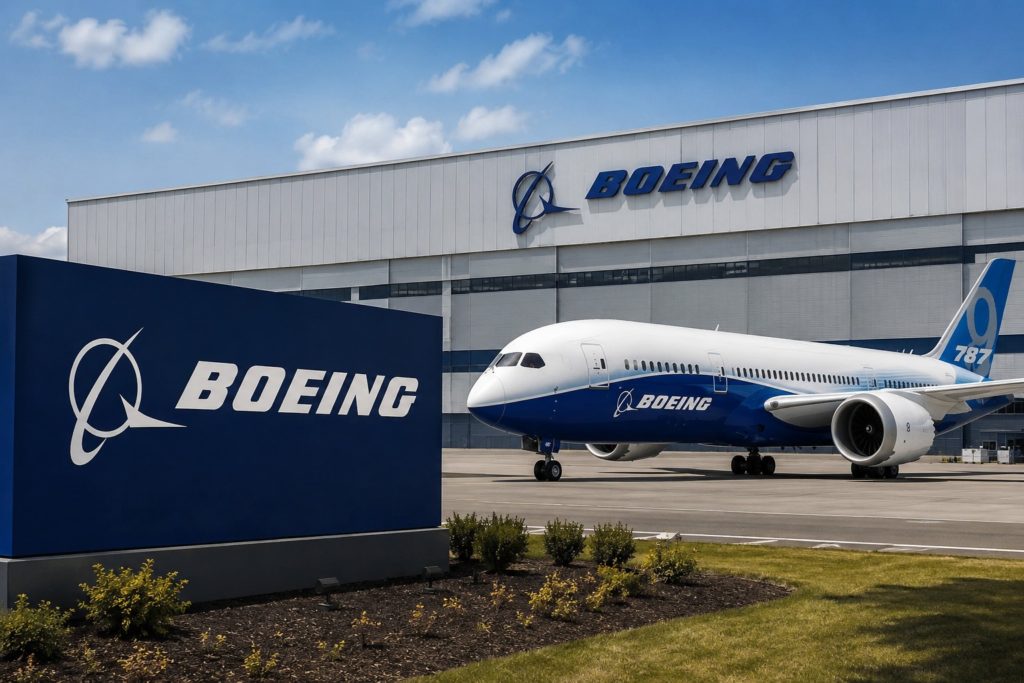
Boeing could secure its largest Chinese aircraft deal in years after U.S. President Donald Trump announced that China plans to purchase 200 jets from the American aerospace company.
Trump revealed the proposed agreement during an interview with Fox News host Sean Hannity while visiting Beijing, describing the deal as part of broader economic discussions with Chinese President Xi Jinping.
“One thing he agreed to today, he’s going to order 200 jets … Boeing wanted 150, they got 200,” Trump told Hannity.
Neither the White House nor Boeing immediately provided additional details about the arrangement, including which aircraft models may be included or when deliveries could begin.
Questions also remain about whether the order would involve a mix of narrowbody and widebody aircraft, a detail officials have not yet clarified.
Earlier in the day, Treasury Secretary Scott Bessent indicated that a major Boeing-related announcement was expected during Trump’s meetings with Xi.
If finalized, the agreement would represent China’s first significant purchase of U.S.-made commercial aircraft in nearly a decade and could provide a major boost for Boeing as it attempts to strengthen its position in the Chinese aviation market.
Some earlier media reports had suggested China could order as many as 500 aircraft, making the reported 200-plane commitment smaller than initially anticipated.
Following Trump’s remarks, Boeing shares fell more than four percent in trading.
China’s last major Boeing purchase occurred in 2017, before trade disputes and rising geopolitical tensions between Washington and Beijing disrupted commercial aviation deals.
Since 2018, European manufacturer Airbus has expanded aggressively in China and surpassed Boeing in aircraft deliveries to the country.
Industry analysts say a confirmed order would carry significant commercial and symbolic value for Boeing, particularly as global competition in aviation manufacturing intensifies.
The potential agreement also highlights the broader economic focus of Trump’s visit to China, where trade, investment, artificial intelligence, Taiwan, and the conflict involving Iran remain central topics in discussions between the two governments.