
Chicago’s Warehouse Market Shows Resilient Growth
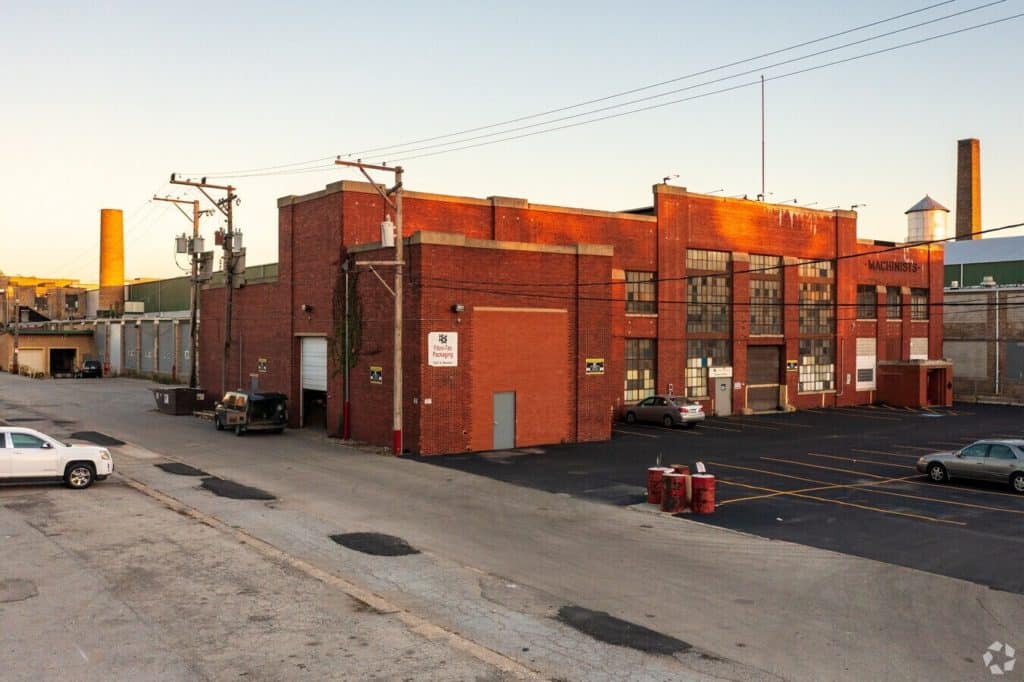
Chicago’s warehouse leasing sector is undergoing a strategic transformation, as developers, manufacturers, and logistics firms rethink how industrial space is used and valued. Once measured solely in square footage, today’s leasing decisions hinge on location, infrastructure, sustainability, and adaptability — factors reshaping the city’s industrial backbone from the South Side to Schaumburg.
Despite national slowdowns, Chicago’s industrial market remains resilient. Vacancy rates are holding steady at 5.5%, and the city absorbed more than 8 million square feet of space over the past year — a performance that outpaces many other major U.S. metros. This measured approach has sustained steady rent growth, especially in high-demand areas such as the I-294 corridor and near Midway Airport, where limited land availability and robust infrastructure drive premium pricing. A mix of industries is fueling this steady momentum. E-commerce remains the primary driver, as retailers and fulfillment centers seek facilities close to major transit routes and urban consumers. Food distribution companies are expanding cold storage and cross-docking capabilities, while third-party logistics providers (3PLs) continue to grow their footprint across the region. Chicago’s six Class I railroads, network of interstate highways, and two major airports offer unmatched connectivity — making submarkets like O’Hare, I-55, and the South Suburbs prime destinations for tenants looking to scale efficiently.
Over 15.7 million square feet of new inventory entered the market in the past year, yet strong absorption rates indicate demand is keeping pace with supply. Modern tenants are increasingly focused on performance and technology, favoring spaces with high ceilings, energy-efficient systems, automation capabilities, and proximity to skilled labor. Developers are proceeding with cautious precision. Unlike other regions facing oversupply, Chicago’s builders are pacing new construction — with only 1.1% of total inventory currently under development — helping maintain balance between supply and demand. This discipline has kept rents growing steadily, particularly in high-demand areas like the I-294 corridor and near Midway Airport, where land is scarce and infrastructure is strong.
The surge in Class A warehouse demand has prompted developers to retrofit older facilities or pursue infill projects that optimize location without sacrificing quality. Chicago’s tenant base is also diversifying, with rising interest from biotech, light manufacturing, and food processing firms, each requiring flexible and specialized infrastructure. The evolution of warehouse leasing is not just an economic story — it’s a community story. As industrial zones expand, developers are increasingly collaborating with local governments and residents to ensure projects create jobs, promote sustainability, and support workforce development.
In neighborhoods like Pullman and Little Village, new warehouse projects have brought both opportunities and challenges. Community-driven planning and green building initiatives are helping ensure that industrial growth supports — rather than disrupts — the well-being of surrounding neighborhoods.
Public-private partnerships, zoning reforms, and tax incentives are also being leveraged to encourage responsible, equitable development. The city’s approach emphasizes a balance between economic growth and quality of life, ensuring that industrial progress benefits both businesses and residents. Looking ahead, Chicago’s warehouse leasing market is projected to remain stable and strategic. Rent growth will likely continue at a moderate pace, supported by carefully managed development and consistent demand. Even as national economic trends fluctuate, Chicago’s strong infrastructure and diverse tenant base offer a degree of insulation from broader volatility.
Warehouse leasing in Chicago is no longer a simple operational decision — it’s a strategic investment that shapes business performance, community engagement, and long-term competitiveness.
In 2025, the city’s industrial sector stands as a model of resilience, precision, and purpose, demonstrating how technology, planning, and collaboration can redefine what it means to build for both commerce and community.