
How Chicago Rodents Are Evolving in the Urban Jungle
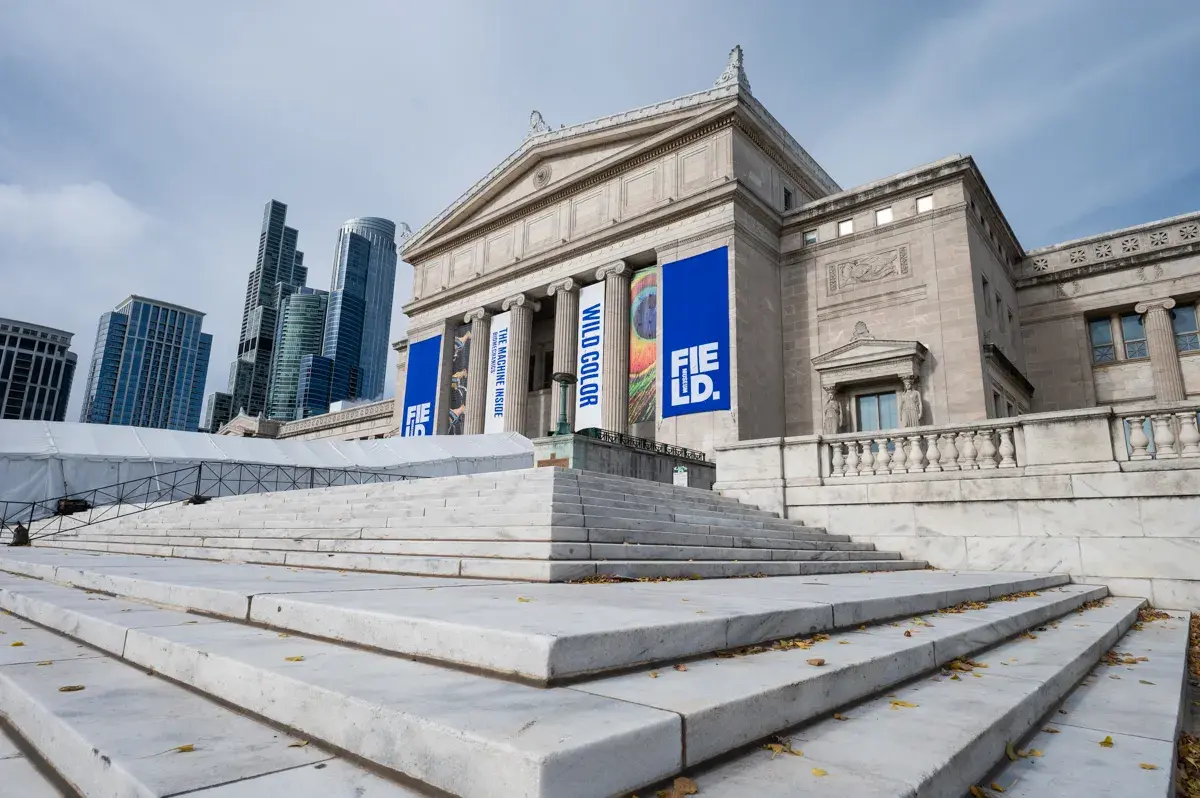
A new study from Chicago’s Field Museum sheds light on how city life is actively shaping the
evolution of local wildlife — particularly rodents. The research, published in Integrative and
Comparative Biology, draws on more than a century of data and was co-authored by Stephanie
Smith, a mammalogist and XCT laboratory manager at the museum.
Smith highlighted the value of the museum’s vast mammal collection in tracking long-term
biological changes. “Museum collections allow you to time travel,” she said. The museum
houses more than 245,000 mammal specimens from across the globe, with many originating
from the Chicago region. “We’ve got things that are over 100 years old,” Smith added.
Researchers focused on two rodent species commonly found in the area: eastern chipmunks and
eastern meadow voles. Anderson Feijó, assistant curator of mammals at the museum and co-
author of the study, explained the selection: “We chose these two species because they have
different biology.”
With support from the Field Museum’s Women in Science internship program, students Alyssa
Stringer and Luna Bian measured the skulls of 132 chipmunks and 193 voles. The team
concentrated on skulls because they offer clues about sensory systems and dietary changes.
“From the skulls, we can tell a little bit about how animals are changing,” Smith said.
Using 3D scans and geometric morphometrics, the study uncovered subtle but significant
changes over time. Chipmunks’ skulls have become larger, while their tooth rows have
shortened. Voles, by contrast, exhibited smaller bony structures linked to hearing.
To better understand these adaptations, researchers compared the biological changes to historical
satellite imagery and temperature records dating back to the 1940s. Their findings showed that
urbanization had a stronger connection to the skull transformations than climate change did.
“Over the last century, chipmunks in Chicago have been getting bigger,” Feijó noted, suggesting
that access to human-related food sources may be behind the trend. Meanwhile, Smith theorized
that the voles’ changing skull features could be an auditory adaptation to city life. “We think this
may relate to the city being loud,” she said.
The study offers broader insight into how human-altered environments leave a lasting mark on
wildlife. “These findings clearly show that interfering with the environment has a detectable
effect on wildlife,” said Feijó. Smith added, “Change is probably happening under your nose.”